
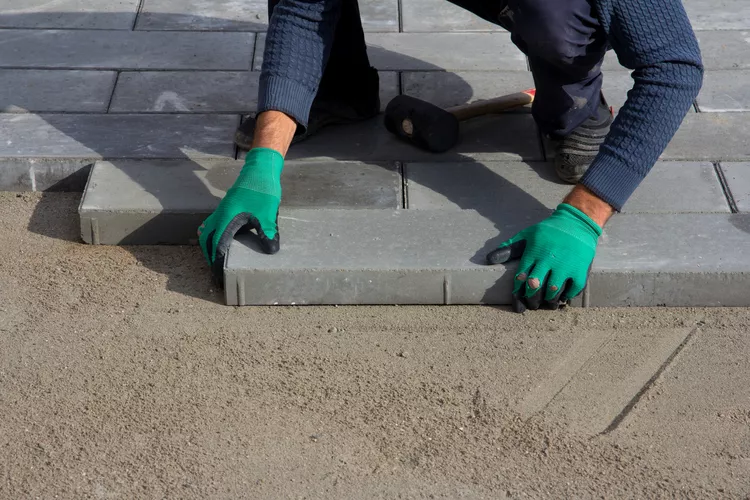
Transforming your outdoor space into a captivating retreat begins with the right foundation – quite literally. Patio paver installation is a versatile and aesthetically pleasing way to enhance your backyard or garden. In this comprehensive guide, we’ll explore the intricate steps involved in the process, ensuring that your patio not only looks stunning but also stands the test of time.
Understanding the Basics of Patio Paver Installation
Brief Overview of Patio Pavers
Patio pavers are individual units or pieces of concrete, brick, or natural stone designed for outdoor use. They provide a solid surface for various purposes, from creating a cozy sitting area to a pathway leading through your garden.
Importance of Proper Installation
The durability and visual appeal of your patio depends significantly on how well the pavers are installed. Proper installation ensures stability, longevity, and a polished finish that complements your outdoor aesthetic.
Creating a Beautiful Outdoor Space with Pavers
Patio paver installation isn’t just about functionality; it’s about crafting an inviting space. Whether you envision a tranquil oasis or a vibrant entertainment area, the right pavers can set the tone for your outdoor haven.
Planning Your Patio Project
Assessing Your Outdoor Space
Before diving into the installation process, take the time to evaluate your outdoor space. Consider factors such as size, shape, and existing landscaping to determine the best layout for your patio.
Choosing the Right Type of Pavers
Pavers come in various materials, including concrete, brick, and natural stone. Each material offers unique characteristics in terms of durability, aesthetics, and maintenance. Choose pavers that align with both your style preferences and practical considerations.
Calculating the Required Materials
Accurate measurements are crucial for a successful patio project. Calculate the number of pavers needed, as well as the amount of base material and sand required for a stable foundation.
Tools and Materials
Essential Tools for Patio Paver Installation
Gather the necessary tools for a smooth installation process. These may include a shovel, a level, a rubber mallet, and a wet saw for cutting pavers.
Types of Pavers and Their Characteristics
Explore the different types of pavers available in the market, considering factors such as size, shape, and texture. Understanding the characteristics of each type will help you make an informed decision.
Additional Materials for a Successful Installation
Apart from the pavers themselves, there are essential materials like base material and joint sand. These contribute to the stability and longevity of your patio.
Preparing the Site
Clearing and Leveling the Area
Begin by clearing the designated area of any vegetation or debris. Level the ground to create a flat and stable foundation for your patio.
Dealing with Drainage Issues
Addressing drainage concerns is vital to prevent water accumulation on your patio. Consider incorporating slope and proper drainage solutions during the preparation phase.
Importance of a Solid Foundation
A robust foundation is the key to a durable and long-lasting patio. Invest time and effort into creating a solid base using the appropriate materials and techniques.
Design Considerations
Selecting a Pattern for Your Pavers
Pavers come in various patterns, from classic herringbone to contemporary basketweave. Choose a pattern that complements your home’s architecture and personal style.
Adding Borders and Accents
Borders and accents can elevate the visual appeal of your patio. Experiment with contrasting colors or different paver styles to create eye-catching borders or focal points.
Mixing and Matching Colors for Aesthetic Appeal
Play with colors to achieve the desired aesthetic for your outdoor space. Mixing and matching paver colors can create a visually dynamic and pleasing patio surface.
Step-by-Step Installation Process
Excavating the Site Properly
Dig to the recommended depth to accommodate the base material and pavers. Proper excavation ensures a level surface and allows space for necessary layers.
Installing Edge Restraints
Edge restraints prevent pavers from shifting over time. Secure them tightly around the perimeter of your patio to maintain a neat and well-defined edge.
Applying Base Material for Stability
Add a layer of base material, such as crushed stone or gravel, to provide stability and support for the pavers. Compact the material thoroughly to create a firm foundation.
Laying the Pavers
Proper Spacing and Alignment
Achieve a professional look by maintaining consistent spacing between pavers. Use spacers to ensure even gaps, and regularly check alignment to prevent irregularities.
Cutting Pavers for Custom Fits
In some cases, you may need to cut pavers to fit specific areas. Utilize a wet saw to achieve clean and precise cuts, ensuring seamless integration into the overall design.
Tips for a Professional Finish
Pay attention to details during the installation process. Checking the level regularly, adjusting as needed, and tapping each paver into place with a rubber mallet contribute to a polished and professional finish.
Securing the Pavers
Importance of Proper Compaction
After laying the pavers, compact the entire surface using a plate compactor. This step ensures that the pavers settle into the base material, reducing the risk of shifting over time.

Using Sand for Joint Stability
Apply joint sand between the pavers to stabilize them further. This sand helps fill the gaps, preventing movement and promoting a cohesive and sturdy patio surface.
Adding Sealant for Longevity
Consider applying a sealant to enhance the longevity of your patio. Sealants protect against stains, weathering, and color fading, extending the life and beauty of your outdoor space.
Troubleshooting and Common Mistakes
Addressing Uneven Pavers
If you notice any uneven areas or settling, address them promptly. Lift the affected pavers, adjust the base material as needed, and re-install the pavers for a level surface.
Dealing with Shifting Over Time
Pavers may shift over time due to factors like freeze-thaw cycles or soil movement. Periodically inspect your patio and make necessary adjustments to maintain stability.
Repairing Cracked or Damaged Pavers
In the event of cracked or damaged pavers, replace them promptly to prevent further issues. Keep spare pavers from your initial installation for easy replacements.
Maintenance Tips for Longevity
Cleaning and Sealing Recommendations
Regularly clean your patio to remove dirt, debris, and stains. Periodic sealing helps protect the pavers and enhances their color, ensuring a vibrant and well-maintained appearance.
Handling Weeds and Moss
Prevent the growth of weeds and moss between pavers by applying an appropriate weed inhibitor. Regularly remove any unwanted vegetation to maintain a pristine patio surface.
Seasonal Inspections and Repairs
Conduct seasonal inspections to identify any potential issues. Promptly address minor repairs to prevent them from escalating into more significant problems.
Frequently Asked Questions (FAQs)
Q: What are patio pavers, and why should I choose them for my outdoor space?
A: Patio pavers are individual units made of concrete, brick, or natural stone used to create a solid surface in outdoor areas. They are a popular choice for their durability, versatility, and aesthetic appeal.
Q: How do I choose the right type of pavers for my patio?
A: Consider factors such as material (concrete, brick, or natural stone), style, color, and maintenance requirements. Each type of paver has its characteristics, so choose based on your preferences and the specific needs of your project.
Q: Can I install patio pavers on my own, or do I need professional help?
A: While some DIY enthusiasts successfully install patio pavers, it’s essential to have a good understanding of the process. For larger or more complex projects, consulting with a professional may ensure a more reliable and long-lasting result.
Q: What tools do I need for patio paver installation?
A: Essential tools include a shovel, level, rubber mallet, and a wet saw for cutting pavers. The specific tools required may vary based on the complexity of your project.
Q: How do I calculate the number of pavers needed for my patio?
A: Measure the dimensions of your patio area and calculate the square footage. Then, consider the size of the pavers you’ve chosen and calculate the quantity needed based on the total area.
Q: Do patio pavers require a specific type of base material?
A: Yes, a stable base is crucial for the longevity of your patio. Common base materials include crushed stone or gravel, providing a solid foundation for the pavers.
Q: Should I seal my patio pavers, and how often is it necessary?
A: Sealing your patio pavers is recommended, as it helps protect against stains, weathering, and color fading. The frequency of sealing depends on factors like climate and usage, but it’s generally recommended every 2-3 years.
Q: How do I prevent weeds from growing between the pavers?
A: Applying a weed inhibitor between the pavers can help prevent weed growth. Regular maintenance, including removing any vegetation that appears, is also important.
Q: Can I use patio pavers in areas with poor drainage?
A: It’s not advisable. Adequate drainage is crucial for the longevity of your patio. Address drainage issues during the planning and preparation phases to prevent water accumulation.
Q: What should I do if my patio pavers become uneven or shift over time?
A: Address uneven pavers promptly by lifting the affected ones, adjusting the base material if necessary, and reinstalling them. Regular inspections and maintenance can help prevent significant issues.
Conclusion
Embarking on a patio paver installation journey requires careful planning, attention to detail, and a commitment to quality. By following the steps outlined in this comprehensive guide, you can create a visually stunning and enduring outdoor space that beckons you to relax and enjoy the beauty of your surroundings. Remember, patio paver installation is not just a project; it’s an investment in the comfort and allure of your home’s exterior. Happy crafting!