
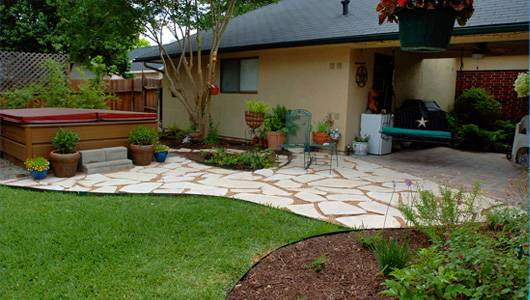
Welcome to your comprehensive guide to top-notch landscaping! Whether you’re looking to revamp your backyard or add a professional touch to your business’s exterior, understanding the principles of high-quality landscaping can transform any outdoor space. This article delves into everything from the initial planning to the maintenance of your landscape, ensuring you achieve and maintain a top-notch appearance.
Planning Your Landscaping Project
Setting Clear Landscaping Goals
The first step in top-notch landscaping is to set clear goals. Are you aiming for increased curb appeal, better outdoor usability, or simply enhancing the natural features of your land? Setting your objectives early will guide all subsequent decisions.
Assessing Your Space
Take a thorough inventory of your current space. Note aspects such as existing vegetation, topography, and how the sun moves across the area. This initial assessment is critical in planning effectively for top-notch results.
Budgeting for Top-Notch Results
Top-notch landscaping doesn’t have to break the bank, but it does require smart budgeting. Allocate funds for different project phases, considering both initial construction and long-term maintenance costs.
Design Principles of Top-Notch Landscaping
Unity and Balance
Creating a harmonious and balanced environment is key. This involves integrating various components of your landscape so that they complement each other, creating a cohesive look.
Color Theory in Landscape Design
Utilizing color effectively can enhance the mood and style of your garden. Choose a color scheme that complements your home and fits the atmosphere you want to create.
Incorporating Texture and Patterns
Textures and patterns add depth and interest to top-notch landscaping. Mixing materials like stone, wood, and various plant types can elevate the sensory experience of your garden.
Choosing the Right Plants
Selecting Plants for Your Climate Zone
Choose plants that are appropriate for your local climate to ensure their longevity and reduce maintenance needs. Native plants are usually well-suited and can thrive with minimal intervention.
Plants for Year-Round Appeal
Select a variety of plants that offer visual interest across different seasons. Evergreens, winter berries, and perennial flowers are great for maintaining year-round appeal.
Sustainable Planting Practices
Implement sustainable practices such as composting and using drought-tolerant plants to ensure your landscaping remains both beautiful and environmentally friendly.
Hardscaping Essentials
Materials for Durability and Aesthetics
Choose hardscaping materials that are durable and aesthetically pleasing. Natural stone and high-quality pavers can provide longevity and a timeless look.
Design Ideas for Walkways, Patios, and Retaining Walls
Well-designed walkways and patios enhance the usability of your space while retaining walls can be both functional and decorative. Each element should align with the overall design for top-notch landscaping.
Integrating Hardscape with Softscape
Balance your hardscape elements, like patios and walkways, with softscape elements such as lawns, bushes, and trees. This integration is crucial for a seamless and natural flow.
Water Features and Their Benefits
Types of Water Features
From fountains to ponds, water features can add a tranquil element to your landscape. They attract wildlife and can act as a focal point in your garden.
Adding Value and Beauty with Water
Water features not only enhance the beauty of your property but can also increase its value. They create a soothing environment, making your outdoor space a more enjoyable place.
Maintenance Tips for Water Features
Regular maintenance is essential to ensure the longevity of your water features. Keep them clean and ensure pumps and filters are functioning properly to maintain top-notch quality.
Innovative Lighting Solutions
Lighting Techniques for Safety and Beauty
Proper lighting can enhance the safety of your outdoor spaces while also highlighting key features. Consider path lights, spotlights, and ambient lighting for different effects.
Choosing the Right Fixtures
Select fixtures that complement the style of your landscape. Durable, weather-resistant lights are best for outdoor environments.
Energy-Efficient Lighting Options
LED lights are an excellent choice for energy-efficient, long-lasting outdoor lighting. They can significantly reduce electricity costs while providing beautiful illumination.
Seasonal Landscaping Tips
Preparing for Spring
Spring is a critical time for landscaping care. Prune shrubs, fertilize plants, and prepare your soil for planting to ensure your garden is vibrant and healthy.
Summer Maintenance Strategies
During summer, focus on watering practices and pest control to keep your plants healthy. Adjust your watering schedule based on temperature and rainfall.
Winterizing Your Landscape
Protect your landscape from the cold by mulching, covering sensitive plants, and draining irrigation systems. Proper winter care ensures your plants survive the cold and thrive in spring.
Eco-Friendly Landscaping Practices
Reducing Water Usage
Implement xeriscaping principles to minimize water use. Choose plants that require less water and use irrigation systems that maximize water efficiency.
Organic Gardening Techniques
Use organic mulches, avoid chemical pesticides, and employ natural fertilizers. These practices not only sustain plant health but also protect the environment.
Promoting Biodiversity
Encourage biodiversity by planting a variety of species that attract different birds, insects, and wildlife. Biodiversity is key to a resilient and vibrant garden.
Maintenance Strategies for Lasting Beauty
Regular Maintenance Schedules
Establish regular maintenance schedules to keep your landscape in top-notch condition. This includes trimming, weeding, and checking the health of your plants.
Pruning and Weeding
Regular pruning helps maintain the shape and health of your plants while weeding is necessary to prevent unwanted plants from taking over your garden.
Lawn Care Basics
Proper mowing, watering, and fertilizing are crucial for a healthy, lush lawn. A well-maintained lawn is a cornerstone of top-notch landscaping.
Using Technology in Landscaping
Smart Irrigation Systems
Smart irrigation systems can optimize water usage by adjusting the watering schedule based on weather conditions. This technology is essential for maintaining a top-notch landscape efficiently.
Apps and Software for Garden Planning
Use gardening apps and software to plan and visualize changes to your landscape. These tools can help you manage your space more effectively.
The Role of Drones in Modern Landscaping
Drones can be used for aerial surveys of large properties, helping you plan and manage your landscape from a new perspective.
Hiring Professional Landscapers
When to Consider Professional Help
If your landscaping project becomes overwhelming or requires specialized skills, it might be time to hire professionals. They can bring your vision to life with their expertise.
What to Look for in a Landscaping Contractor
Choose a contractor with experience, good reviews, and a portfolio of completed projects. Ensure they are licensed and insured to handle your project.
Understanding Landscaping Service Contracts
Familiarize yourself with the terms of service contracts to understand what is included and what obligations you and the contractor have. This will help you manage your project expectations.
Case Studies: Successful Top-Notch Landscaping Projects
Residential Landscaping Transformation
Learn from a case study of a residential property that underwent a significant transformation with top-notch landscaping. Key strategies and outcomes will be highlighted.
Commercial Property Upgrades
Explore how top-notch landscaping can enhance the appeal and functionality of commercial properties. This case study will discuss design considerations and their impact on business.
Public Spaces and Community Projects
Discover how landscaping projects in public spaces can benefit communities. This section will cover planning, execution, and community involvement.
FAQs
1. What should I consider before starting a landscaping project?
Consider your budget, the climate of your area, the soil type, and your long-term maintenance commitment. Also, think about the primary function of the space, whether it’s for relaxation, entertainment, or aesthetics.
2. How often should I update my landscaping?
Major updates might be needed every 5 to 10 years, but smaller updates like mulching, planting annuals, or pruning can be done more frequently to maintain the garden’s appearance.
3. What are the best plants to use for low-maintenance landscaping?
Opt for native plants, perennials, and drought-tolerant species that require less water, fertilizer, and pruning.
4. How can I make my landscape design eco-friendly?
Use native plants, install a rainwater harvesting system, choose organic mulches, reduce lawn areas, and incorporate permeable paving.
5. How do I choose a design that complements my home?
Consider the architectural style of your home and aim for a landscape design that enhances that style. Consistency in style and color, as well as the scale of plants and structures, will create a harmonious look.
6. Is it worth hiring a professional landscaper?
Hiring a professional can be beneficial for complex projects involving structural elements like terraces, and retaining walls, or for when you want a cohesive design aesthetic that maximizes the potential of your outdoor space.
7. What is the difference between hardscape and softscape?
Hardscape refers to the hard elements within a landscape, such as paths, walls, and patios. Softscape includes the soft, living elements like soil, plants, and trees.
8. How much time should I dedicate to maintaining my landscape?
This depends on the complexity and size of your garden. Low-maintenance landscapes might only need a few hours per week, while more elaborate designs could require several hours of maintenance each week.
9. What are the essential landscaping tools every homeowner should have?
Basic tools include a shovel, rake, pruners, garden hose with a watering wand, and a wheelbarrow. More specialized tasks might require additional tools like a lawn mower or a leaf blower.
10. How can I landscape on a budget?
Start small, prioritize projects, choose cost-effective materials, and do some of the work yourself. Also, consider using younger plants, as they are usually cheaper.
11. Are there landscaping projects that will increase my home value?
Yes, well-designed outdoor living spaces, mature gardens, and thoughtful landscaping can significantly increase home value. Features like outdoor kitchens and fire pits are also attractive to potential buyers.
12. What should be included in a landscaping contract?
A good contract should include detailed descriptions of the work to be done, materials to be used, timelines, total cost, payment schedules, and warranty information.
Conclusion
This guide has covered the essential aspects of achieving and maintaining a top-notch landscape. By applying these principles, you can ensure that your outdoor space is not only beautiful but also sustainable and functional. Whether you’re starting a new project or improving an existing one, remember that top-notch landscaping is about creating a harmonious environment that meets your aesthetic and practical needs. Now is the perfect time to start planning your landscaping project to transform your space into a stunning and enjoyable area.