
When you decide to install artificial turf, you’re investing in a beautiful, low-maintenance, and durable solution for your lawn. This guide will walk you through everything you need to know about installing artificial turf, from preparation to post-installation care. By the end of this article, you’ll have a thorough understanding of the process and be ready to transform your outdoor space.
Understanding Artificial Turf
What is Artificial Turf?
Artificial turf, also known as synthetic grass, is a surface made of synthetic fibers that mimic the look and feel of natural grass. This material is commonly used in areas where maintaining real grass is challenging or undesirable. Various types of artificial turf are available, each designed for specific applications such as residential lawns, sports fields, and commercial spaces.
Benefits of Install Artificial Turf
Artificial turf offers numerous benefits over natural grass. It’s low-maintenance, requiring no mowing, watering, or fertilizing. It’s also incredibly durable, withstanding heavy foot traffic and extreme weather conditions. Additionally, artificial turf maintains its vibrant green appearance year-round, enhancing the aesthetic appeal of your property.
Common Uses of Artificial Turf
Artificial turf is versatile and can be used in various settings. In residential areas, it’s popular for front and back lawns, play areas, and pet zones. Sports fields for football, soccer, and other activities frequently utilize artificial turf due to its durability and consistent playing surface. Commercially, it’s often used for landscaping in office complexes, shopping centers, and public parks.
Preparing for Installation
Choosing the Right Type of Turf
Selecting the right type of turf is crucial for a successful installation. Consider factors such as climate, usage, and budget when making your choice. Different types of turf are designed for varying levels of foot traffic and environmental conditions. Popular brands and products offer a range of options, each with unique features and benefits.
Measuring Your Space
Accurate measurement of your space is essential to determine how much turf you’ll need. Use a tape measure to measure the length and width of the area. Be sure to account for any irregular shapes or additional sections you plan to cover. Detailed measurements help ensure you purchase the correct amount of turf, avoiding wastage or shortage.
Calculating Costs
Understanding the costs involved in installing artificial turf is important for budgeting. The primary cost includes the turf itself, but additional expenses such as tools, adhesives, and edging materials should also be considered. If you plan to hire professionals, factor in labor costs. Detailed cost analysis helps you plan your project more effectively.
Gathering Necessary Tools and Materials
Essential Tools
Several tools are necessary for the successful installation of artificial turf. These include a tape measure, utility knife, turf cutter, compactor, and a power broom. Having the right tools on hand will make the installation process smoother and more efficient. You can purchase or rent these tools from hardware stores or specialty suppliers.
Materials Required
In addition to the turf, you’ll need various materials for installation. These include infill (such as sand or rubber), edging materials to secure the perimeter, adhesives, and joining tapes. Selecting high-quality materials ensures the longevity and performance of your artificial turf installation.
Safety Equipment
Safety should be a priority during installation. Equip yourself with protective gear such as gloves, safety glasses, and knee pads. Following safety guidelines and using the proper equipment helps prevent injuries and ensures a safe working environment.
Preparing the Ground
Clearing the Area
Before installing artificial turf, clear the area of any existing grass, weeds, and debris. Use a shovel or sod cutter to remove the top layer of soil. Address any drainage issues by grading the area to ensure water flows away from the turf. Proper site preparation is critical for the longevity and performance of your artificial turf.
Leveling the Surface
A level surface is essential for a smooth turf installation. Use a rake or grading tool to level the ground, removing any high spots or filling in low areas. A compacted base layer will provide a stable foundation for the turf. Ensuring the surface is level helps prevent uneven wear and tear on the turf.
Installing a Weed Barrier
A weed barrier is crucial to prevent unwanted plants from growing through your artificial turf. Choose a high-quality weed barrier and lay it over the prepared ground. Secure the edges with landscape staples or nails. This step helps maintain the appearance and cleanliness of your artificial turf.
Laying the Base Layer
Choosing the Right Base Material
The base layer provides stability and drainage for your artificial turf. Common base materials include gravel, crushed stone, and decomposed granite. Each material has its pros and cons, so choose one that best suits your needs and local conditions. A well-chosen base layer enhances the durability and functionality of your turf.
Spreading the Base Material
Spread the base material evenly over the prepared ground. Aim for a depth of 3-4 inches, depending on your specific needs and the type of turf. Use a compactor to compact the base layer, ensuring a firm and stable foundation. Proper base preparation is crucial for the overall success of your turf installation.
Checking for Levelness
After spreading and compacting the base material, check for levelness using a level or straightedge. Make any necessary adjustments to ensure a smooth and even surface. A level base layer helps prevent wrinkles and uneven spots in the finished turf installation.
Installing the Turf
Unrolling and Positioning the Turf
When you’re ready to install artificial turf, unroll the turf and position it over the prepared area. Allow the turf to acclimate for a few hours before trimming and securing it. Proper positioning is key to achieving a seamless and professional-looking installation.
Trimming and Securing the Edges
Use a sharp utility knife to trim the turf to fit the desired area. Be sure to leave a small excess around the edges for securing. Secure the edges with landscape nails or staples, spacing them every 6-8 inches. Proper trimming and securing prevent the turf from shifting and ensure a clean, finished look.
Joining Turf Sections
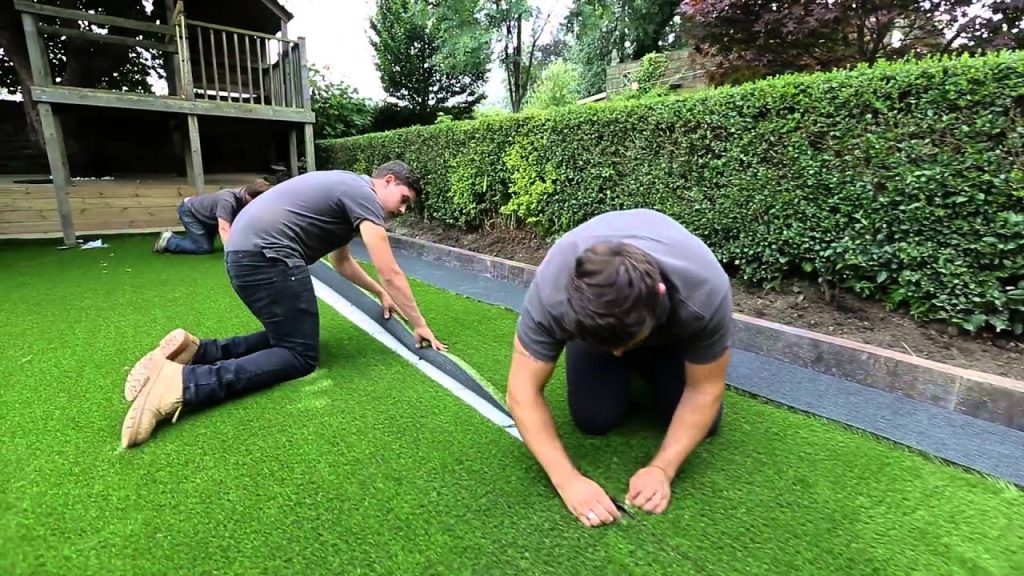
If your project requires multiple turf sections, use adhesive and joining tape to create seamless joins. Align the sections carefully, ensuring the fibers are facing the same direction. Apply adhesive to the joining tape and press the sections firmly together. Seamless joins contribute to a natural-looking installation.
Infill Application
Choosing the Right Infill
Infill provides stability, support, and cushioning for install artificial turf. Common infill materials include silica sand, rubber granules, and organic infills. Each type offers different benefits, so choose one that suits your specific needs and preferences. The right infill enhances the performance and longevity of your turf.
Applying the Infill
Spread the infill evenly over the turf using a drop spreader or shovel. Aim for a uniform distribution to avoid uneven areas. Depending on the type of infill, you may need to apply multiple layers. Even application ensures proper support and stability for the turf fibers.
Brushing and Setting the Infill
After applying the infill, use a power broom or rake to brush the turf fibers upright and distribute the infill evenly. Brushing helps the infill settle into the turf, providing the necessary support and cushioning. Regular brushing also helps maintain the appearance and performance of your artificial turf.
Securing the Turf
Using Stakes or Nails
Securing the turf with stakes or nails helps keep it in place. Drive the stakes or nails into the ground around the perimeter of the turf, spacing them every 6-8 inches. Ensuring the turf is securely fastened prevents shifting and maintains a neat appearance.
Edging and Bordering
Edging materials such as metal, plastic, or wood can be used to create a clean border around the turf. Install the edging along the perimeter, securing it with stakes or nails. Proper edging helps define the area and prevents the turf from fraying or lifting.
Final Touches
After securing the turf and edging, perform a final inspection to check for any loose areas or imperfections. Make any necessary adjustments to ensure a smooth and even surface. Completing these final touches ensures a professional-looking installation.
Post-Installation Care
Initial Maintenance
In the first few days after installation, avoid heavy usage to allow the turf to settle. Lightly water the turf to help the infill settle and the fibers stand upright. Initial maintenance is crucial for ensuring the longevity and appearance of your artificial turf.
Regular Maintenance
Regular maintenance includes cleaning and brushing the turf to remove debris and keep the fibers upright. Use a leaf blower or broom to remove leaves and dirt. Inspect the turf regularly for any signs of damage and address them promptly to maintain its condition.
Long-Term Care
Long-term care involves seasonal maintenance and addressing any repairs. In colder climates, brush the turf to prevent snow and ice buildup. For warmer climates, rinse the turf to remove dust and pollen. Proper long-term care helps ensure your artificial turf remains in excellent condition for years to come.
Troubleshooting Common Issues
Handling Turf Wrinkles
Wrinkles can occur in install artificial turf due to improper installation or movement. To fix wrinkles, use a power broom to lift the fibers and smooth out the wrinkles. If necessary, re-secure the turf with nails or stakes to prevent further movement.
Addressing Drainage Problems
Poor drainage can lead to water pooling on the turf. Ensure the base layer is properly graded to allow water to flow away from the turf. If drainage problems persist, consider installing additional drainage solutions such as French drains or perforated pipes.
Repairing Damaged Turf
Damage to artificial turf can occur from heavy usage or accidents. For minor repairs, use adhesive and turf patches to fix damaged areas. For larger repairs, consider replacing entire sections of turf. Regular inspection and prompt repair help maintain the appearance and functionality of your turf.
Environmental Considerations
Eco-Friendly Turf Options
Eco-friendly Install artificial turf options are available, made from sustainable materials and designed to reduce environmental impact. These options often use recyclable materials and minimize the use of harmful chemicals. Choosing eco-friendly turf contributes to environmental sustainability.
Water Conservation
Install Artificial turf helps conserve water by eliminating the need for regular watering. This is particularly beneficial in areas with water restrictions or drought conditions. Implementing additional water-saving techniques, such as rainwater harvesting, can further enhance water conservation efforts.
Reducing the Heat Island Effect
Install Artificial turf can help reduce the heat island effect by reflecting more sunlight than traditional surfaces. To maximize this benefit, choose lighter-colored turf and ensure proper installation. Incorporating shading elements such as trees or pergolas can also help keep the area cooler.
Cost Analysis
Initial Installation Costs
The initial cost of installing artificial turf includes the turf itself, base materials, tools, and any professional labor. While the upfront cost may be higher than natural grass, the long-term savings on maintenance and water make it a cost-effective choice.
Long-Term Cost Savings
Artificial turf offers significant long-term cost savings due to reduced maintenance and water usage. You’ll save on expenses related to mowing, fertilizing, and watering. Over time, these savings can offset the initial installation cost, providing a good return on investment.
Compared with Natural Grass
When comparing artificial turf to natural grass, consider the long-term benefits and costs. Artificial turf requires minimal maintenance, conserves water, and remains green year-round. While natural grass may have a lower initial cost, the ongoing maintenance and water usage can be significant.
FAQs About Artificial Turf Installation
Common Questions
- How long does artificial turf last?
Artificial turf can last 15-20 years with proper care.
- Is artificial turf safe for pets?
Yes, it’s pet-friendly and easy to clean.
- Can I install artificial turf myself?
Yes, with the right tools and preparation, DIY installation is possible.
- Does artificial turf get hot?
It can get warm in direct sunlight, but there are cooling infill options available.
- How do I clean artificial turf?
Regular brushing and occasional rinsing with water are usually sufficient.
- Is artificial turf environmentally friendly?
Many eco-friendly options are available that use recyclable materials.
- Can artificial turf be installed on slopes?
Yes, but proper installation techniques are necessary to prevent shifting.
- How do I prevent weeds from growing through the turf?
Installing a weed barrier is crucial for preventing weed growth.
- Is artificial turf safe for children?
Yes, it’s a safe and durable option for play areas.
- How do I handle pet waste on artificial turf?
Remove solid waste and rinse the area with water as needed.
Misconceptions About Turf
Artificial turf is often misunderstood. Contrary to common myths, it is not harmful to the environment, it doesn’t require frequent replacement, and it is safe for both pets and children. Understanding the facts helps you make an informed decision about using artificial turf.
Tips from Experts
Professional installers recommend taking your time with preparation and ensuring you have all the necessary tools and materials. They also advise regular maintenance to keep the turf looking its best. Following these tips can help you achieve a successful and long-lasting installation.
Conclusion
Installing artificial turf is a worthwhile investment that offers numerous benefits, including low maintenance, durability, and aesthetic appeal. By following the steps outlined in this guide, you can successfully install artificial turf in your space, enhancing its beauty and functionality. If you have any questions or need further assistance, feel free to reach out. Happy turfing!