
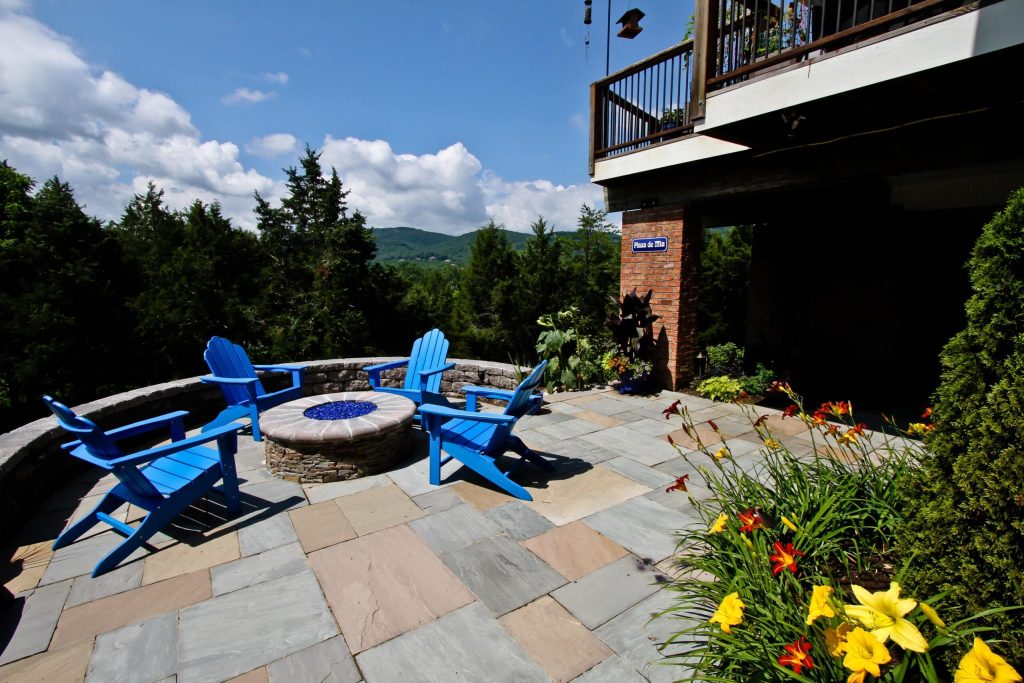
Valley landscaping is an art that harmonizes the natural beauty of a valley with the creative touch of human design. Whether you’re nestled in a small valley or overlooking a vast river valley, the unique challenges and opportunities it presents are what make valley landscaping so rewarding. In this comprehensive guide, we’ll explore the essentials of valley landscaping, offering tips and insights to transform your valley space into a stunning outdoor oasis.
Understanding Valley Topography
Identifying Valley Characteristics
Every valley has its unique characteristics – from gentle slopes to dramatic inclines. Understanding these features is the first step in successful valley landscaping. This knowledge helps in making informed decisions about plant placement, water features, and other landscape elements.
How Topography Influences Landscaping
The contours and elevation changes of a valley can significantly influence your landscaping choices. For instance, areas with steep slopes require different landscaping techniques compared to flatter terrains. Erosion control and water drainage are also crucial considerations in valley landscaping.
Adapting Design to Natural Land Forms
Embracing the natural landforms is key in valley landscaping. Instead of trying to significantly alter the terrain, work with it. This approach not only preserves the natural beauty of the valley but also often proves more sustainable and cost-effective.
Soil and Drainage Considerations
Analyzing Soil Types in Valleys
Valleys often have varied soil types, which can impact the types of plants that will thrive and the need for soil amendments. Conducting a soil test is a practical first step in any valley landscaping project.
Importance of Proper Drainage
In valley landscaping, managing water drainage is vital to prevent erosion and protect your landscape investments. Proper grading, along with the use of drainage systems, can help control water flow and distribution throughout your landscape.
Techniques for Enhancing Soil Quality
Improving soil quality is often necessary in valley landscaping. This can involve adding organic matter, using soil amendments, and choosing plants that are well-suited to the native soil conditions.
Choosing the Right Plants
Selecting Native Plants for Valley Regions
Native plants are ideal for valley landscaping as they are adapted to the local environment and require less maintenance. They also contribute to the local ecosystem, supporting native wildlife and insects.
Balancing Aesthetics and Sustainability
When selecting plants for valley landscaping, balance aesthetics with sustainability. Choose plants that not only enhance the beauty of your landscape but also contribute to the health of the local ecosystem.
Plants to Avoid in Valley Landscaping
Avoid invasive species that can disrupt the local ecosystem. Also, be cautious about plants that are overly sensitive to the specific conditions of your valley, as they may require excessive care or fail to thrive.
Water Features and Valley Landscaping
Incorporating Streams and Ponds
In valley landscaping, incorporating natural water features like streams and ponds can create a serene and picturesque environment. These elements not only add beauty but also support a diverse range of flora and fauna.
Creating Natural-Looking Waterfalls
Waterfalls can be a stunning addition to valley landscaping. Designing them to mimic natural waterfalls found in valleys can create a sense of harmony and tranquility in your landscape.
Maintenance and Ecosystem Balance
Maintaining water features is crucial in valley landscaping. This includes regular cleaning and ensuring they are balanced with the local ecosystem to support wildlife without disrupting it.
Hardscaping in the Valley
Pathways and Stepping Stones
Pathways and stepping stones can enhance the accessibility and charm of valley landscaping. They provide a practical way to navigate the terrain while adding an aesthetic element to the landscape design.
Terracing Sloped Areas
In valley landscaping, terracing can be an effective way to manage steep slopes. It not only helps in controlling erosion but also creates unique areas for planting and enjoying your garden.
Choosing Durable Materials for Valley Weather
The choice of materials for hardscaping in valley landscaping is crucial. Opt for durable materials that can withstand the unique weather conditions and moisture levels typical of valley regions.
Wildlife and Eco-Friendly Practices
Attracting Beneficial Wildlife
Valley landscaping offers a unique opportunity to create a haven for wildlife. Incorporating native plants, water features, and natural habitats can attract birds, butterflies, and other beneficial creatures.
Plant Choices for Wildlife Habitats
Choosing the right plants is key to creating wildlife-friendly valley landscaping. Opt for a variety of plants that provide food and shelter throughout the year.
Sustainable Landscaping Techniques
Sustainable practices are essential in valley landscaping. This includes using organic fertilizers, practicing water conservation, and avoiding chemical pesticides that can harm the local ecosystem.
Seasonal Considerations
Preparing for Valley Winters
Valley landscaping requires special attention as the seasons change, especially in preparing for winter. This includes protecting plants from frost, managing drainage to prevent waterlogging, and ensuring pathways are safe and navigable.
Maximizing Spring Bloom Potential
Spring is a vibrant time in valley landscaping. To maximize bloom potential, consider planting early-blooming flowers and preparing the soil in late winter, ensuring your garden bursts into color as the weather warms.
Summer Maintenance and Drought Management
During summer, valley landscaping faces challenges like heat and potential drought. Implementing drought-tolerant landscaping techniques and regular maintenance, such as mulching and prudent watering, is crucial.
Designing Outdoor Living Spaces
Patios and Decks: Maximizing Views
Valley landscaping provides the perfect backdrop for patios and decks. Design these spaces to maximize the scenic valley views, creating a tranquil and picturesque outdoor living area.
Fire Pits and Outdoor Kitchens
Adding fire pits or outdoor kitchens can enhance the functionality and enjoyment of your valley landscaping. These features create a focal point for gatherings and add to the overall ambiance of your outdoor space.
Lighting and Seating Arrangements
Effective lighting and comfortable seating are essential in valley landscaping. They not only enhance the beauty and usability of the space but also ensure safety and comfort for evening enjoyment.
Overcoming Landscaping Challenges
Dealing with Erosion and Stability
Erosion control is a significant challenge in valley landscaping. Techniques like planting ground cover, using retaining walls, and terracing can help stabilize slopes and prevent soil erosion.
Managing Shade and Sunlight Variations
Valleys often experience varied light conditions. Understanding these variations is key to selecting the right plants and designing spaces that thrive in either full sun, partial shade, or full shade.
Solutions for Narrow or Steep Valleys
For narrow or steep valleys, creative solutions are needed in landscaping. Utilizing vertical space, choosing appropriate plants, and creating terraces can make the most of these challenging areas.
Hiring a Professional vs. DIY Landscaping
When to Hire a Professional Landscaper
While DIY valley landscaping can be rewarding, some projects may require a professional’s expertise. Complex designs, large-scale projects, or dealing with challenging terrain are instances where professional help is beneficial.
Tips for Successful DIY Valley Landscaping
For those embarking on DIY valley landscaping, planning is key. Research, careful design, and understanding the unique aspects of your valley will lead to a more successful project. Also, start small and gradually build up your landscape.
Budgeting and Planning Your Project
Effective budgeting and planning are crucial, whether you’re hiring a professional or doing it yourself. Outline your vision, set a realistic budget, and plan the project in phases if necessary.
Frequently Asked Questions (FAQs)
Q: What is unique about valley landscaping?
A: Valley landscaping involves designing and cultivating land in valley areas, which often have unique topographical features, soil types, and microclimates. It requires specific considerations for drainage, plant selection, and terrain management.
Q: How do I choose the right plants for a valley landscape?
A: The key is to choose native or well-adapted plants that thrive in your valley’s specific conditions. Consider the local climate, soil type, and water availability. Native plants are often the best choice as they require less maintenance and are better for the local ecosystem.
Q: What are the biggest challenges in valley landscaping?
A: Common challenges include managing water drainage, dealing with varied light conditions, controlling erosion on slopes, and selecting plants that can thrive in the valley’s microclimate.
Q: Are there specific design principles for valley landscaping?
A: Yes, valley landscaping often involves working with the natural terrain, using plants and structures that blend into the environment, creating a balance between natural and man-made elements, and focusing on sustainability and ecosystem support.
Q: How can I make my valley landscaping more eco-friendly?
A: To make valley landscaping eco-friendly, use native plants, practice water conservation, employ organic gardening practices, and create habitats for local wildlife.
Q: What kind of maintenance does valley landscaping require?
A: Maintenance can vary based on your specific landscape but generally includes regular weeding, pruning, watering, and managing soil health. Seasonal maintenance is also important, especially in preparing for different weather conditions.
Q: Can valley landscaping improve property value?
A: Yes, well-executed valley landscaping can enhance the aesthetic appeal of a property and its surrounding environment, potentially increasing its value.
Q: How do I deal with wildlife in my valley landscape?
A: Encouraging beneficial wildlife through plant selection and habitat creation is recommended, but it’s also important to implement strategies to manage pests and protect your garden without harming the local ecosystem.
Q: Should I hire a professional for valley landscaping?
A: Hiring a professional is advisable for complex projects, especially those involving significant changes to terrain, large-scale plantings, or specialized features like waterfalls or terraces.
Q: What are some cost-effective tips for valley landscaping?
A: To keep costs down, start with a well-planned design, focus on native plants, do gradual landscaping in phases, and consider DIY projects for simpler tasks.
Conclusion
Valley landscaping is both an art and a science. It requires understanding the unique challenges and opportunities that valleys present and creatively working with them to create beautiful, sustainable outdoor spaces. Whether you’re a seasoned gardener or a beginner, remember that valley landscaping is a journey. With each step, you learn more about the land, the ecosystem, and how to create harmony between nature and human design. By following these guidelines and embracing the unique features of your valley, you can create a stunning landscape that enhances the natural beauty of your surroundings and provides a serene retreat for years to come.