
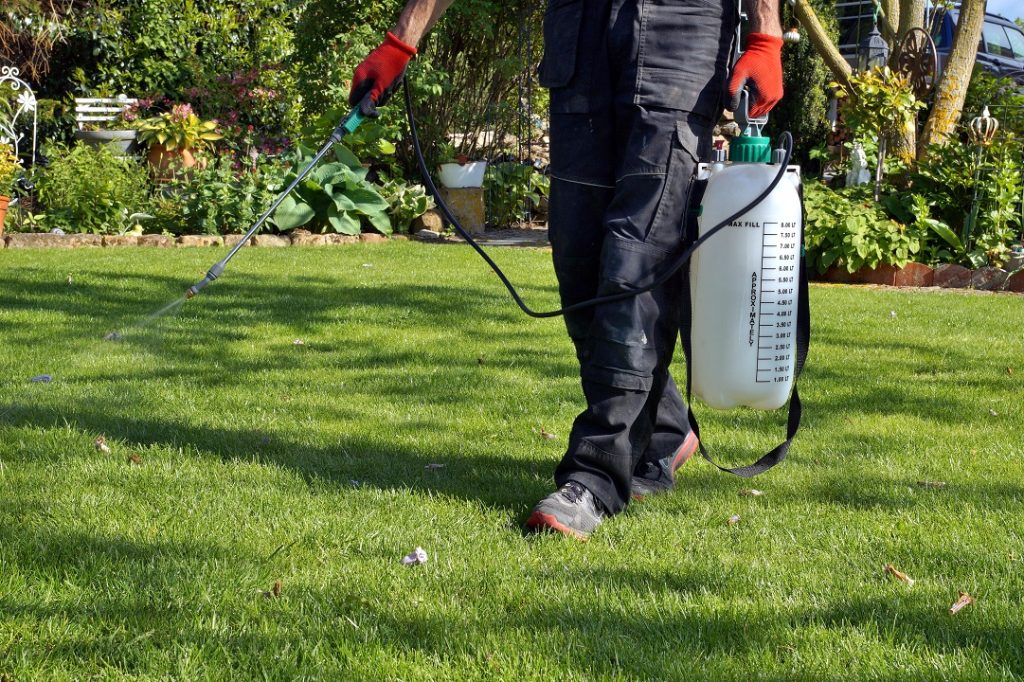
Maintaining a lush, healthy lawn requires more than just a basic mowing routine. Professional lawn care offers an extensive range of services designed to keep your lawn in top condition year-round. This guide delves into everything you need to know about professional lawn care, from understanding its benefits to choosing the right provider and integrating the latest technologies.
Understanding Professional Lawn Care
What is Professional Lawn Care?
Professional lawn care involves a comprehensive approach to maintaining your lawn’s health and appearance. It includes a variety of services such as mowing, fertilization, pest control, and seasonal maintenance. Unlike DIY methods, professional lawn care utilizes specialized equipment and techniques to achieve optimal results, ensuring your lawn looks its best throughout the year.
Why Hire a Professional?
Hiring a professional for lawn care offers several advantages. Professionals bring expertise and experience that can lead to a healthier, more vibrant lawn. They are knowledgeable about the best practices for different grass types and soil conditions, which can significantly enhance the quality of your lawn. Additionally, professional care saves you time and effort, allowing you to enjoy a beautiful lawn without the hassle of doing it yourself.
Common Lawn Care Myths
There are several myths surrounding lawn care that can lead to misconceptions about its effectiveness. For example, some people believe that more frequent mowing is always better or that all fertilizers are the same. Professional lawn care dispels these myths by using evidence-based practices and tailored solutions to address specific lawn needs.
Key Services Offered in Professional Lawn Care
Lawn Mowing and Edging
Lawn mowing and edging are fundamental aspects of professional lawn care. Regular mowing ensures your lawn maintains a consistent height, which promotes healthy growth and prevents weeds. Edging creates a clean boundary between your lawn and other areas, enhancing its overall appearance. Professionals use advanced equipment to achieve precise results and maintain a well-groomed look.
Fertilization and Nutrient Management
Fertilization is crucial for providing your lawn with the necessary nutrients for optimal growth. Professional lawn care services use a variety of fertilizers, including granular and liquid options, to address nutrient deficiencies. They also follow a schedule for application to ensure that your lawn receives the right nutrients at the right time, promoting robust growth and a vibrant green color.
Weed and Pest Control
Weed and pest control are essential for maintaining a healthy lawn. Professionals identify common lawn pests and weeds, applying targeted treatments to manage and eliminate them. Integrated pest management strategies are often employed to reduce the reliance on chemicals, using natural predators and other methods to control pests effectively.
Choosing the Right Lawn Care Provider
Credentials and Experience
When selecting a professional lawn care provider, it’s important to consider their credentials and experience. Look for companies with certified technicians and a proven track record in the industry. Customer reviews and testimonials can also provide insight into their reliability and the quality of their services.
Service Offerings and Customization
Different lawn care providers offer varying services, so it’s essential to choose one that aligns with your needs. A reputable provider will offer a range of services and be able to customize their approach based on your lawn’s specific requirements. Whether you need routine maintenance or specialized treatments, ensure that the provider can accommodate your needs.
Cost and Value Comparison
Understanding the cost of professional lawn care is crucial for making an informed decision. Pricing structures can vary, so it’s beneficial to compare quotes from different providers. Consider what is included in the cost and weigh it against the value of the services provided. Investing in professional care often pays off in the long run with a healthier, more attractive lawn.
Seasonal Lawn Care Tips
Spring Lawn Care
Spring is the ideal time to prepare your lawn for the growing season. Professional lawn care services focus on tasks such as fertilization, seeding, and lawn aeration to kickstart growth. Addressing any issues from the previous season and preparing your lawn for the warmer months sets the stage for a healthy, thriving lawn.
Summer Lawn Care
During the summer, managing heat and drought is critical for maintaining a healthy lawn. Professional lawn care involves adjusting watering schedules, applying drought-resistant treatments, and managing any summer-specific issues such as pests or diseases. Proper care during this season helps your lawn withstand the stresses of summer and continue to look its best.
Fall and Winter Lawn Care
As the growing season winds down, fall and winter lawn care becomes important. Professionals focus on preparing your lawn for winter by applying fall fertilizers, performing cleanup, and ensuring proper equipment storage. This preparation helps your lawn recover and thrive when the growing season resumes.
Common Lawn Problems and Solutions
Brown Spots and Dead Patches
Brown spots and dead patches are common lawn issues that can be caused by various factors, including drought, disease, or pests. Professional lawn care providers can diagnose the underlying causes and apply appropriate treatments to restore your lawn. Addressing these problems promptly prevents them from spreading and ensures a healthy lawn.
Uneven Growth and Thatch
Uneven growth and thatch build-up can detract from your lawn’s appearance and health. Professionals use techniques such as dethatching and aeration to address these issues. By improving soil conditions and ensuring even growth, they help maintain a lush, uniform lawn.
Soil Quality and Compaction
Soil quality and compaction issues can impact your lawn’s health and growth. Professional lawn care includes assessing and improving soil conditions through practices such as aeration and soil amendments. Enhancing soil quality ensures that your lawn receives the nutrients and support it needs for optimal growth.
Eco-Friendly Lawn Care Practices
Organic Fertilizers and Treatments
Organic fertilizers and treatments are an eco-friendly alternative to traditional chemical options. Professionals use natural products that provide essential nutrients without harming the environment. Organic lawn care practices contribute to a healthier ecosystem and reduce the impact of chemical runoff.
Water Conservation Techniques
Water conservation is a crucial aspect of eco-friendly lawn care. Professionals implement efficient watering practices and use smart irrigation systems to reduce water waste. Drought-resistant grass varieties and water-saving techniques help maintain a healthy lawn while conserving valuable resources.
Sustainable Lawn Care Practices
Sustainable lawn care focuses on reducing the environmental impact of lawn maintenance. Professionals employ practices such as reducing chemical use, utilizing natural pest control methods, and using eco-friendly equipment. These practices contribute to a more sustainable approach to lawn care and promote overall environmental health.
DIY vs. Professional Lawn Care: Making the Decision
Benefits of DIY Lawn Care
DIY lawn care offers several benefits, including cost savings and personal satisfaction. By handling tasks yourself, you gain a deeper understanding of your lawn’s needs and can enjoy the process of maintaining it. However, DIY care requires time, effort, and knowledge to achieve professional-quality results.
When to Call a Professional
There are times when professional lawn care is the best option. Complex issues, such as severe pest infestations or extensive lawn damage, often require specialized expertise. Additionally, if you lack the time or equipment for effective lawn care, hiring a professional ensures that your lawn receives the attention it needs.
Hybrid Approach: Combining DIY and Professional Help
A hybrid approach can be an effective way to balance DIY lawn care with professional services. For example, you might handle routine tasks like mowing while relying on professionals for specialized treatments or seasonal maintenance. This approach allows you to enjoy the benefits of both DIY and professional care.
How to Prepare Your Lawn for Professional Care
Assessing Your Lawn’s Needs
Before scheduling professional care, assess your lawn’s needs to identify problem areas and set goals. Understanding your lawn’s specific requirements allows you to communicate effectively with your provider and ensures that the services you receive are tailored to your needs.
Clearing Obstacles and Debris
Preparing your lawn for professional care involves clearing obstacles and debris that might hinder the work. Removing items such as toys, branches, and garden tools helps professionals perform their tasks efficiently and ensures that your lawn receives the necessary attention.
Scheduling and Coordination
Scheduling and coordinating professional lawn care services is crucial for optimal results. Work with your provider to set up a schedule that aligns with your lawn’s needs and the seasons. Effective coordination ensures that your lawn receives timely care and maintenance throughout the year.
The Role of Technology in Lawn Care
Lawn Care Apps and Tools
Technology plays a significant role in modern lawn care. Lawn care apps and tools help you track maintenance schedules, monitor lawn health, and receive personalized advice. These tools can enhance the effectiveness of professional services and provide valuable insights for managing your lawn.
Smart Irrigation Systems
Smart irrigation systems are an innovative technology that optimizes water usage. These systems use weather data and soil moisture sensors to adjust watering schedules, reducing water waste and promoting healthier lawns. Integrating smart irrigation with professional care enhances overall lawn management.
Advanced Lawn Care Equipment
Advanced lawn care equipment, such as robotic mowers and precision applicators, improves the efficiency and effectiveness of lawn maintenance. Professionals use state-of-the-art equipment to achieve precise results and ensure the best possible care for your lawn.
Customer Reviews and Testimonials
Importance of Customer Feedback
Customer feedback is a valuable tool for evaluating the quality of professional lawn care services. Reviews and testimonials provide insights into the experiences of other clients and help you make informed decisions when selecting a provider.
How to Leave a Review
Leaving a review involves sharing your experience with a lawn care provider on platforms such as Google, Yelp, or social media. Providing honest and constructive feedback helps others make informed choices and contributes to the overall improvement of services.
Handling Negative Reviews
Handling negative reviews professionally is essential for maintaining a positive reputation. Address complaints promptly and constructively, and use feedback as an opportunity for improvement. Turning negative experiences into positive outcomes demonstrates a commitment to customer satisfaction.
Future Trends in Lawn Care
Emerging Technologies
The future of lawn care is shaped by emerging technologies, including advancements in equipment and treatments. Staying informed about these innovations allows you to incorporate the latest tools and techniques into your lawn care routine.
Evolving Best Practices
Best practices in lawn care are constantly evolving as new research and knowledge become available. Professionals adapt to these changes, incorporating the latest findings into their services to provide the best care possible.
The Future of Professional Lawn Care
The professional lawn care industry is expected to continue evolving with advancements in technology and sustainability. Preparing for these changes and staying updated on industry trends ensures that you benefit from the latest innovations and practices.
FAQs
- What is included in professional lawn care services?
Professional lawn care services typically include mowing, fertilization, weed and pest control, and seasonal maintenance. Some providers also offer aeration, overseeding, and specialized treatments.
- How often should I schedule professional lawn care?
The frequency of professional lawn care depends on factors such as your lawn’s needs, the season, and the services provided. Typically, regular visits every few weeks or monthly are recommended.
- Can professional lawn care help with lawn diseases?
Yes, professional lawn care services can diagnose and treat lawn diseases. They use specialized treatments and techniques to manage and prevent diseases, ensuring a healthy lawn.
- What are the benefits of using organic fertilizers?
Organic fertilizers provide essential nutrients without harmful chemicals, promoting a healthier lawn and reducing environmental impact. They also improve soil health and enhance overall lawn resilience.
- How can I prepare my lawn for winter?
Preparing your lawn for winter involves tasks such as applying fall fertilizer, removing debris, and performing any necessary lawn repairs. Professional services can assist with these preparations to ensure a healthy start to the spring season.
- What should I look for in a lawn care provider?
When choosing a lawn care provider, consider factors such as credentials, experience, service offerings, and customer reviews. Look for a provider with a proven track record and the ability to customize services to your needs.
- Are smart irrigation systems worth the investment?
Smart irrigation systems can save water and improve lawn health by optimizing watering schedules based on weather conditions and soil moisture. They are a worthwhile investment for efficient lawn care.
- How do I know if my lawn needs aeration?
Signs that your lawn may need aeration include compacted soil, poor water absorption, and excessive thatch build-up. Professional lawn care services can assess your lawn and recommend aeration if necessary.
- What are common lawn pests, and how can they be managed?
Common lawn pests include grubs, chinch bugs, and ants. Professional lawn care services use targeted treatments and integrated pest management strategies to control and prevent these pests.
- How can I balance DIY and professional lawn care?
Balancing DIY and professional lawn care involves handling routine tasks yourself while relying on professionals for specialized services and seasonal maintenance. This approach allows you to benefit from both DIY satisfaction and professional expertise.
Conclusion and Final Tips
Recap of Key Points
Professional lawn care offers a comprehensive approach to maintaining a healthy, beautiful lawn. From understanding the benefits and services to choosing the right provider and integrating the latest technologies, this guide covers essential aspects of professional lawn care.
Taking Action
To get the most out of professional lawn care, assess your lawn’s needs, research providers, and schedule services accordingly. Preparing your lawn and staying informed about best practices will ensure a lush, vibrant lawn throughout the year.