
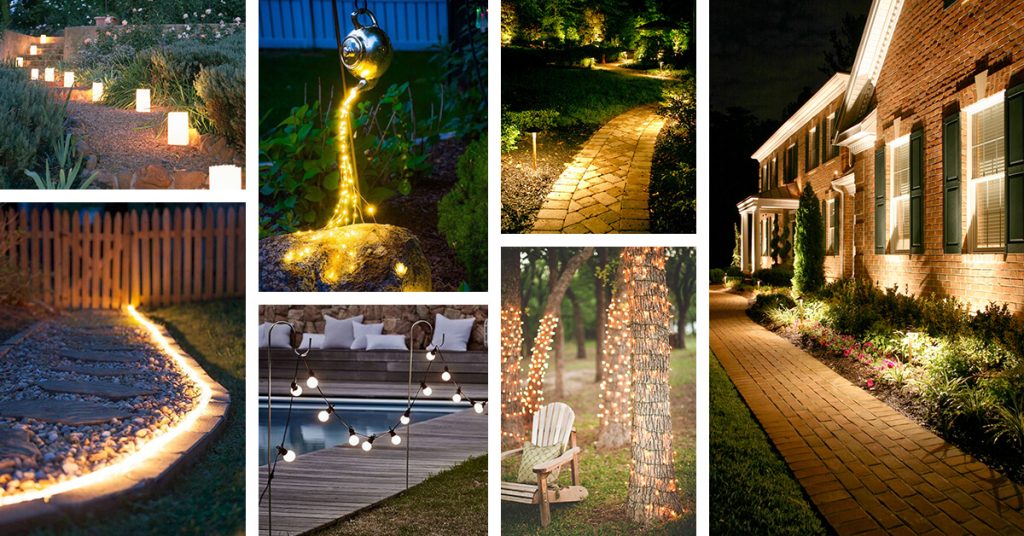
Lighting up your outdoor space isn’t just about visibility; it’s a creative endeavor that transforms your property into a mesmerizing retreat. Landscape lighting goes beyond the functional aspect, offering aesthetic appeal, security, and an ambiance that turns your yard into a haven, day or night.
Outdoor spaces are an extension of our homes, and what better way to enhance them than with thoughtful landscape lighting? Whether you’re looking to increase security, create a cozy ambiance, or showcase your beautiful garden, landscape lighting is the key. In this comprehensive guide, we will explore the various facets of landscape lighting, from types to planning, installation, and maintenance.
Types of Landscape Lighting
Path Lights
Benefits of Path Lighting
Path lights not only guide your way but also add a touch of elegance to your landscape. They enhance safety by delineating walkways and preventing accidental missteps.
Choosing the Right Design
Selecting the right design is crucial. Opt for fixtures that complement your overall outdoor theme, be it traditional, modern, or eclectic.
Installation Tips
Proper installation ensures longevity. Consider factors like burying cables adequately to prevent tripping hazards and choosing weather-resistant materials.
Spotlighting
Highlighting Key Features
Spotlights are ideal for showcasing focal points like architectural features or unique trees. Properly positioned, they draw attention to the elements you want to stand out.
Best Placement Practices
Strategic placement is key. Experiment with angles to create dramatic shadows and highlights, adding depth to your outdoor space.
LED vs. Halogen Spotlights
While LED spotlights are energy-efficient, halogens offer a warmer light. Choose based on your preferences and the atmosphere you want to create.
Deck and Step Lights
Safety Considerations
Deck and step lights not only enhance safety but also contribute to the overall ambiance. Ensure they are installed evenly to avoid creating tripping hazards.
Adding Aesthetic Appeal
These lights can be an aesthetic asset, subtly illuminating the contours of your deck or highlighting architectural details.
Materials and Styles
Choose materials that withstand outdoor conditions. From brass to stainless steel, various styles cater to different design preferences.
Planning Your Landscape Lighting
Assessing Your Space
Identifying Focal Points
Begin by identifying the key features you want to highlight—trees, sculptures, or water features. This forms the foundation of your lighting plan.
Understanding Shadows and Light
Take note of how natural light interacts with your space. Understanding the play of shadows helps in strategic fixture placement.
Considering Power Sources
Determine whether you’ll opt for traditional wiring, solar-powered fixtures, or a combination. Each has its advantages, so choose based on your needs and preferences.
Designing a Lighting Scheme
Layering Light for Depth
Create depth in your outdoor space by using a variety of fixtures. Combine path lights, spotlights, and deck lights to avoid a flat, monotone look.
Color Temperature Effects
Experiment with different color temperatures to set the mood. Warm tones create a cozy atmosphere, while cool tones evoke a modern feel.
Integrating Lighting Zones
Divide your outdoor space into zones based on functionality. This allows for targeted lighting and flexibility in adjusting the ambiance.
Energy-Efficient Options
LED vs. Traditional Bulbs
LEDs are energy-efficient and have a longer lifespan, making them a sustainable choice. Consider retrofitting existing fixtures for energy savings.
Solar-Powered Lighting
Harness the power of the sun with solar lights. Ideal for areas without easy access to power sources, they charge during the day and illuminate at night.
Smart Lighting Systems
Explore smart lighting options for remote control and programmable settings. These systems offer convenience and customization for your outdoor lighting.
DIY Installation Tips
Safety Precautions
Working with Electricity
If opting for wired lighting, follow safety guidelines rigorously. Turn off power sources during installation and use weatherproof outlets.
Waterproofing Connections
Ensure all connections are properly sealed to prevent water damage. Use waterproofing materials and regularly check for any signs of wear or corrosion.
Consulting a Professional
If unsure, it’s always wise to consult a professional electrician. They can ensure that your installation adheres to local codes and safety standards.
Tools and Materials
Essential Equipment
Gather the necessary tools, including wire strippers, connectors, and a multimeter for testing. Invest in quality materials to ensure durability.
Wiring and Connectors
Follow manufacturer instructions for wiring and use connectors suitable for outdoor use. Properly secure wires to avoid damage from weather or foot traffic.
In-Ground vs. Above-Ground Installation
Consider the aesthetic and safety implications of in-ground versus above-ground installation. Some fixtures are designed to be discreetly nestled in the ground, while others can be mounted on surfaces.
Maintenance
Cleaning and Inspecting Fixtures
Regular cleaning keeps fixtures shining brightly. Inspect for any loose connections, damaged wires, or signs of wear and tear.
Replacing Bulbs
As bulbs age, their brightness may diminish. Replace bulbs promptly to maintain consistent illumination and prevent dark spots in your landscape.
Winterizing Your Lighting System
Prepare your lighting system for winter by checking for any water ingress and protecting fixtures from harsh weather conditions. Consider removing and storing certain fixtures during the winter months.
Troubleshooting Common Issues
Addressing Power Problems
Checking Wiring Connections
Power issues often stem from loose or damaged wiring. Regularly inspect connections and address any issues promptly to avoid interruptions.
Assessing Transformer Issues
Transformers can fail over time. Check for any unusual noises, overheating, or a lack of power output. Replacement may be necessary if issues persist.
Solar Light Charging Tips
For solar-powered lights, ensure panels are clean and receive ample sunlight. If lights aren’t charging properly, consider repositioning them for better exposure.
Dealing with Weather Damage
Waterproofing Solutions
Prevent weather-related damage by ensuring all fixtures are properly sealed. Apply additional waterproofing as needed, especially in areas prone to heavy rain.
Protecting Against Extreme Temperatures
Some lighting fixtures may be sensitive to extreme temperatures. Choose fixtures rated for your climate and consider additional insulation in colder regions.
Wind-Resistant Fixtures
In windy areas, opt for fixtures designed to withstand strong gusts. Secure fixtures firmly to prevent damage and ensure they remain in place during storms.
Upgrading Your System
Integrating Smart Technology
Upgrade your landscape lighting by incorporating smart technology. Smart systems offer features like remote control, programmable schedules, and compatibility with voice assistants.
Updating to Energy-Efficient Options
Consider retrofitting existing fixtures with LED bulbs for energy efficiency. This not only reduces energy consumption but also extends the lifespan of your lighting system.
Adding New Fixtures
As your outdoor space evolves, consider adding new fixtures to enhance the lighting scheme. Experiment with different styles and placements to keep things fresh.
Showcasing Inspiring Landscape Lighting Designs
Gardens and Flower Beds
Illuminating Plant Features
Highlight the beauty of your garden at night by strategically placing lights to showcase flowers, shrubs, and trees.
Enhancing Colors and Textures
Experiment with different lighting angles to bring out the vibrant colors and textures of your plants.
Creating a Nighttime Garden
Turn your garden into a magical space by incorporating soft, subtle lighting that encourages evening strolls.
Architectural Highlights
Accentuating Home Features
Use lighting to accentuate architectural elements, such as columns, arches, or unique design features.
Lighting Walkways and Entryways
Guide guests to your front door with well-placed lights along pathways and entry points.
Balancing Light and Shadow
Create a dynamic visual experience by balancing light and shadow to enhance the architectural details of your home.
Water Features
Highlighting Fountains and Ponds
Transform your water features into captivating focal points by adding underwater or surface lighting.
Underwater Lighting Tips
Ensure proper waterproofing and explore underwater lighting options for a stunning effect.
Safety Considerations
If incorporating lighting into pools or ponds, prioritize safety with fixtures designed for underwater use and proper installation.
Conclusion
As we wrap up this journey into the world of landscape lighting, remember that it’s not just about illuminating your space; it’s about creating an experience. From the practicality of path lights to the drama of spotlights and the charm of deck lights, each element plays a role in crafting your outdoor haven.
Incorporate the tips shared in this guide to plan, install, and maintain a landscape lighting system that suits your style and enhances the beauty of your surroundings. Troubleshoot issues effectively, explore upgrades and let your creativity shine as you design a landscape that captivates day and night.
Illuminate your world with landscape lighting, and watch as your outdoor space transforms into a place of beauty, security, and endless enjoyment.