
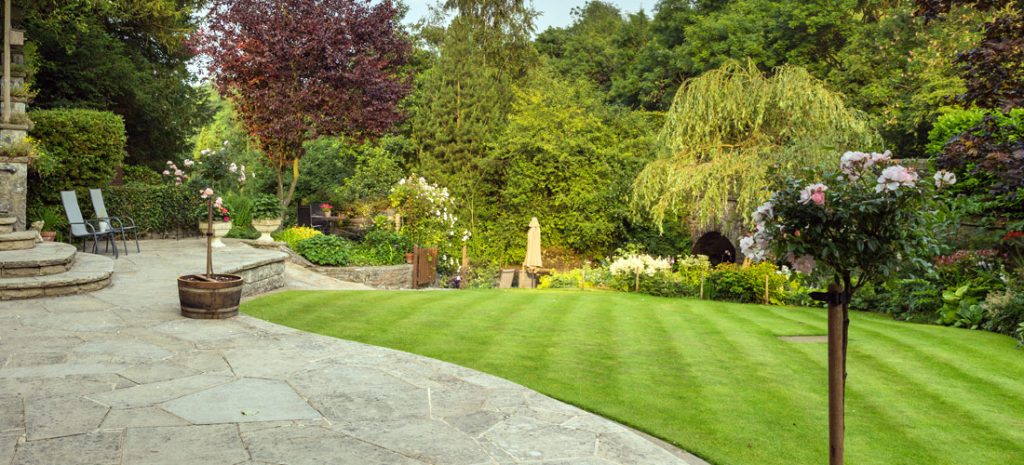
In the realm of landscaping, the term “evergreen landscapes” evokes images of lush greenery, year-round beauty, and enduring appeal. Evergreen plants, with their persistent foliage and steadfast presence, play a vital role in creating landscapes that remain vibrant and captivating throughout the seasons. In this comprehensive guide, we’ll explore the art and science of evergreen landscaping, from understanding the characteristics of evergreen plants to designing, planting, and maintaining stunning landscapes that stand the test of time.
Characteristics of Evergreen Plants
Evergreen plants are renowned for their ability to maintain foliage year-round, providing structure, texture, and color to landscapes in all seasons. From the slender needles of conifers to the broad leaves of broadleaf evergreens, these plants exhibit a diverse array of characteristics that contribute to their enduring appeal.
Evergreen Foliage Structure and Color
Evergreen foliage comes in various shapes, sizes, and colors, ranging from the delicate needles of pine trees to the glossy leaves of holly bushes. Understanding the different types of evergreen foliage allows landscapers to create visually appealing compositions that harmonize with the surrounding environment.
Evergreen Growth Habit and Form
Evergreen plants exhibit a wide range of growth habits and forms, including upright, spreading, and weeping varieties. By selecting plants with complementary growth habits, landscapers can create balanced and visually pleasing landscapes that enhance the overall aesthetic.
Environmental Adaptations
Evergreen plants are well-adapted to diverse environmental conditions, including varying soil types, moisture levels, and climatic extremes. Their resilience and adaptability make them invaluable additions to landscapes, providing stability, habitat, and ecological benefits.
Design Principles for Evergreen Landscapes
Designing an evergreen landscape requires careful consideration of principles such as texture, form, and color to create harmonious and visually appealing compositions that endure throughout the seasons.
Texture and Contrast
Evergreen landscapes offer opportunities to play with texture and contrast, incorporating plants with different foliage textures and sizes to create visual interest and depth.
Structure and Form
Evergreen plants provide the backbone of a landscape, offering year-round structure and form that anchor the design and provide continuity across the seasons.
Color and Seasonal Interest
While evergreen plants are known for their green foliage, many varieties also offer seasonal interest through flowers, berries, or foliage color changes. By selecting plants with diverse colors and seasonal features, landscapers can create dynamic and visually engaging landscapes that evolve throughout the year.
Types of Evergreen Plants for Landscaping
A wide variety of evergreen plants are available for landscaping purposes, ranging from towering coniferous trees to low-growing groundcovers. Understanding the different types of evergreen plants allows landscapers to select species and varieties that suit the specific requirements of their projects.
Coniferous Trees
Coniferous trees, such as pines, spruces, and firs, are iconic evergreens known for their needle-like foliage and conical shapes. These trees provide vertical interest, shade, and habitat in landscapes, making them popular choices for parks, residential yards, and commercial developments.
Broadleaf Evergreen Shrubs
Broadleaf evergreen shrubs, including rhododendrons, camellias, and boxwoods, offer a diverse range of foliage colors, textures, and forms. These versatile plants are valued for their year-round beauty, adaptability, and low maintenance requirements, making them ideal for foundation plantings, hedges, and specimen plantings.
Groundcover and Perennial Evergreens
Groundcover and perennial evergreens provide low-maintenance solutions for filling in gaps, controlling erosion, and adding interest to the landscape. Creeping junipers, creeping phlox, and heucheras are examples of groundcover and perennial evergreens that offer year-round foliage color and texture.
Planning and Planting Evergreen Landscapes
Successful evergreen landscaping begins with careful planning and thoughtful plant selection to create a cohesive and sustainable landscape that thrives for years to come.
Site Assessment and Analysis: Before planting evergreens, assess the site conditions, including sunlight exposure, soil type, drainage, and microclimates. Understanding the site’s unique characteristics allows landscapers to select plants that are well-suited to the environment and create landscapes that flourish.
Selecting Appropriate Plant Species and Varieties
Choose evergreen plants that are adapted to the site conditions and climate zone, considering factors such as mature size, growth rate, and environmental tolerance. By selecting appropriate plant species and varieties, landscapers can minimize maintenance requirements and ensure long-term success.
Creating a Planting Plan and Layout
Develop a planting plan that incorporates evergreen plants in strategic locations to achieve desired aesthetic and functional goals. Consider factors such as focal points, screening, privacy, and seasonal interest when designing the layout of the landscape.
Planting and Establishment of Evergreen Landscapes
Proper planting and establishment techniques are essential for ensuring the health, vigor, and longevity of evergreen plants in the landscape.
Preparing Planting Holes and Amending Soil
Dig planting holes of appropriate size and depth for the rootball, incorporating organic matter, compost, and soil amendments to improve soil fertility, structure, and drainage.
Proper Planting Techniques and Practices
Handle evergreen plants with care during planting, ensuring that roots are properly spread and positioned in the planting hole. Backfill the hole with amended soil, firming it gently around the rootball to eliminate air pockets and provide stability.
Mulching and Staking
Apply a layer of organic mulch around the base of newly planted evergreens to conserve soil moisture, suppress weeds, and moderate soil temperature. Use stakes and ties to support tall or top-heavy plants, protecting them from wind damage and promoting upright growth.
Maintenance and Care of Evergreen Landscapes
Regular maintenance is essential for preserving the beauty, health, and vitality of evergreen landscapes, ensuring that plants remain vigorous and attractive year-round.
Watering and Irrigation: Provide consistent and appropriate water to newly planted evergreens, adjusting irrigation schedules based on weather conditions, soil moisture levels, and plant needs. Deep, infrequent watering promotes deep root growth and drought tolerance while avoiding overwatering and waterlogged soil conditions.
Pruning and Trimming
Prune evergreen plants as needed to remove dead, damaged, or diseased branches, promote air circulation, and maintain desired shape and size. Prune evergreens during the dormant season or after flowering to minimize stress and encourage vigorous regrowth.
Fertilization and Soil Management
Apply balanced fertilizers and soil amendments as needed to provide essential nutrients for evergreen growth and development. Conduct soil tests to assess nutrient levels and pH, adjusting fertility programs accordingly to promote healthy soil and plant growth.
Common Issues and Challenges in Evergreen Landscaping
Despite their resilience and adaptability, evergreen plants are susceptible to various pests, diseases, and environmental stressors that can affect their health and appearance.
Pests and Diseases
Monitor evergreen plants for signs of pests, such as aphids, scale insects, and spider mites, as well as diseases, such as powdery mildew, root rot, and blight. Implement integrated pest management (IPM) strategies to manage pest and disease outbreaks, including cultural, mechanical, biological, and chemical controls.
Environmental Stressors
Protect evergreen plants from environmental stressors, such as temperature extremes, drought, wind, and poor soil conditions, which can weaken plants and make them more susceptible to pests and diseases. Provide adequate water, mulch, and shelter to minimize stress and promote plant health and resilience.
Cultural Practices and Maintenance Mistakes
Avoid common pitfalls in evergreen landscaping, such as overwatering, improper pruning, excessive fertilization, and compacted soil. Educate homeowners and landscapers on best practices for evergreen care, emphasizing the importance of proper planting, watering, pruning, and soil management techniques.
Design Inspirations and Ideas for Evergreen Landscapes
Evergreen landscapes offer endless opportunities for creativity, expression, and innovation, with countless design inspirations and ideas to suit any style, theme, or setting.
Formal Evergreen Gardens
Create formal evergreen gardens with symmetrical layouts, structured plantings, and classical elements, such as parterres, knot gardens, and boxwood allees. Embrace the timeless elegance and sophistication of formal design, incorporating topiaries, geometric shapes, and clipped hedges for a polished and refined aesthetic.
Informal Woodland Settings
Design informal woodland landscapes with native evergreens, shade-loving plants, and naturalistic features that evoke the tranquility and beauty of forest glades. Mimic the organic shapes and textures of the natural environment, incorporating meandering pathways, dappled light, and natural materials, such as stone, wood, and moss, for a rustic and inviting atmosphere.
Coastal and Mediterranean Themes
Capture the essence of coastal and Mediterranean landscapes with salt-tolerant evergreens, drought-resistant plants, and Mediterranean-inspired elements, such as olive trees, lavender, and rosemary. Create breezy and relaxed outdoor spaces that reflect the casual elegance and laid-back charm of seaside retreats, incorporating water features, gravel pathways, and terracotta accents for a Mediterranean flair.
Sustainable Practices in Evergreen Landscaping
Promoting sustainability and environmental stewardship is essential in evergreen landscaping, with a focus on selecting climate-appropriate plants, conserving water, and enhancing soil health.
Selecting Climate-Appropriate Plants and Cultivars
Choose evergreen plants that are well-suited to the local climate conditions and soil types, selecting native or adapted species that require minimal water, fertilizer, and pesticides. Research low-water and drought-tolerant varieties for water-wise landscaping, prioritizing plants that are resilient, resource-efficient, and ecologically beneficial.
Water Conservation Strategies
Implement water conservation strategies to minimize water use and maximize efficiency in evergreen landscapes, incorporating drip irrigation systems, smart controllers, and rainwater harvesting techniques. Design landscapes with water-efficient plants, permeable surfaces, and rain gardens to capture, filter, and reuse rainwater, reducing stormwater runoff and promoting groundwater recharge.
Soil Health and Organic Practices
Build healthy soil with organic amendments, compost, and mulches, fostering soil structure, fertility, and biodiversity. Avoid synthetic chemicals and pesticides in favor of organic and natural solutions, promoting soil microbial activity, earthworm populations, and beneficial insects. Practice integrated pest management (IPM) to maintain balance and minimize harmful inputs, prioritizing cultural, mechanical, and biological controls over chemical interventions.
Benefits of Evergreen Landscaping for Homeowners
Evergreen landscaping offers numerous benefits for homeowners, including year-round beauty, low maintenance, and environmental advantages that enhance the quality of life and value of their properties.
Year-round Beauty and Interest
Enjoy continuous color, texture, and structure in the landscape with evergreen plants that provide visual interest and appeal throughout the seasons. Create inviting outdoor spaces that inspire relaxation, recreation, and connection with nature, incorporating evergreen plantings that remain vibrant and attractive year-round.
Low Maintenance and Durability
Minimize seasonal cleanup, pruning, and replanting with evergreen landscapes that require less maintenance and upkeep compared to deciduous plants. Reduce water consumption, fertilizer use, and pesticide applications with drought-tolerant evergreens that thrive in diverse environmental conditions, saving time, money, and resources.
Environmental and Ecological Benefits
Enhance air quality, biodiversity, and ecosystem health with evergreen landscapes that support wildlife, birds, and beneficial insects. Provide habitat, food, and shelter for pollinators, birds, and other wildlife species, creating sustainable and resilient landscapes that contribute to environmental conservation and ecological balance.
Conclusion
In conclusion, evergreen landscaping offers endless possibilities for creating beautiful, sustainable, and resilient landscapes that endure throughout the seasons. By understanding the characteristics of evergreen plants, applying design principles, and implementing sustainable practices, homeowners and landscapers can create outdoor spaces that remain vibrant, inviting, and inspiring year-round. Embrace the timeless beauty and versatility of evergreen landscapes, and transform your outdoor environment into a haven of beauty, tranquility, and vitality that enriches the lives of all who encounter it.