
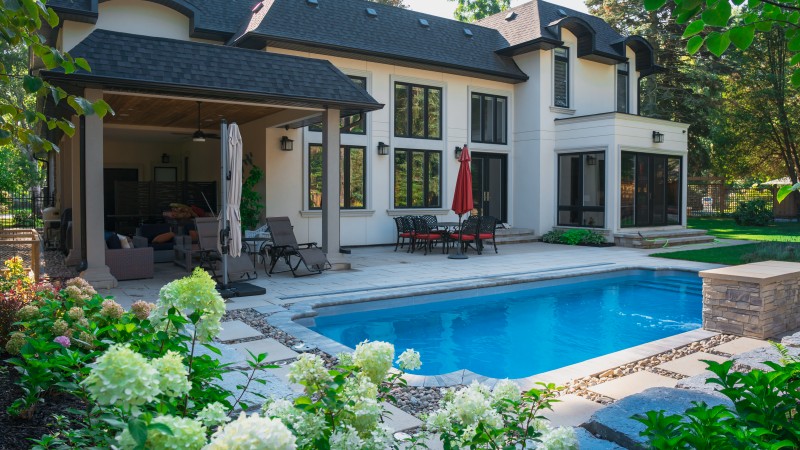
When it comes to transforming your outdoor space into a picturesque haven, one term that often crops up is earthworks landscaping. This comprehensive guide will unravel the secrets behind earthworks landscaping and help you embark on a journey to create the outdoor oasis you’ve always dreamed of. From understanding the basics to mastering the techniques, we’ll cover it all.
Understanding Earthworks Landscaping
What Are Earthworks in Landscaping?
Earthworks landscaping involves the manipulation of the earth’s surface to achieve specific landscaping goals. It includes excavation, grading, and other earth-moving processes to sculpt the terrain according to your vision.
Importance of Earthworks in Landscaping
Earthworks form the foundation of any successful landscaping project. They facilitate proper drainage, create leveled surfaces, and set the stage for various landscape features.
Types of Earthworks in Landscaping
There are several types of earthworks in landscaping:
- Excavation: Digging and removing soil for various purposes.
- Grading: Leveling and shaping the land.
- Retaining Walls: Constructing walls to hold back soil and create terraces.
Planning Your Earthworks Project
Assessing Your Landscape
Start by assessing your existing landscape. Identify any drainage issues, sloping areas, or potential problems that earthworks can solve.
Setting Clear Objectives
Define your landscaping goals. Do you want a level lawn, a multi-tiered garden, or a new driveway? Clear objectives guide your earthworks project.
Budgeting for Earthworks
Earthworks can be costly, so create a realistic budget that accounts for equipment, materials, and professional help if needed.
Earthworks Equipment and Tools
Essential Earthmoving Machinery
Earthworks require specialized machinery like excavators, bulldozers, and compactors. Rent or hire them based on your project’s scale.
Hand Tools for Precision Work
Hand tools like shovels, wheelbarrows, and levels come in handy for precise earthmoving tasks and finishing touches.
Equipment Safety and Maintenance
Ensure safety by following equipment guidelines and schedule regular maintenance to keep everything in top condition.
Soil Analysis and Preparation
Soil Testing for Your Landscape
Conduct soil tests to determine its composition and quality. This informs decisions about soil improvement and amendment.
Soil Improvement Techniques
Depending on your soil’s characteristics, you may need to amend it with organic matter, sand, or other materials to enhance its fertility and drainage.
Proper Soil Compaction
Compacting the soil properly is crucial to prevent settling and ensure stability for your landscaping features.
Excavation Techniques
Excavation Basics
Excavation involves digging into the ground for various purposes, such as creating foundation trenches, ponds, or utilities.
Trenching for Utilities
If your landscaping project involves installing utilities like irrigation systems, trenching is essential for laying pipes and cables.
Avoiding Common Excavation Pitfalls
Be mindful of underground utilities, and check for necessary permits before digging to avoid costly mistakes.
Grading and Leveling
Importance of Proper Grading
Proper grading ensures even surfaces and efficient water drainage, preventing erosion and water accumulation.
Grading Methods and Tips
Grading techniques include cut and fill, and laser leveling. Choose the method that suits your project and follow best practices.
Ensuring Proper Water Drainage
Adequate drainage is crucial to prevent water damage to your landscape. Plan for swales, French drains, or proper slopes to direct water away from your property.
Retaining Walls in Earthworks
When to Use Retaining Walls
Retaining walls are useful for creating terraces, preventing erosion, and adding aesthetic appeal. Determine when and where to incorporate them.
Design Considerations
Design your retaining walls to blend seamlessly with your landscape. Choose materials and styles that complement your overall vision.
Building Strong and Attractive Retaining Walls
Proper construction techniques and materials are essential to ensure the longevity and functionality of your retaining walls.
Landscaping with Earthworks
Incorporating Earthworks into Garden Design
Earthworks can help you create garden beds, pathways, and seating areas that enhance the beauty and functionality of your outdoor space.
Creating Terraces and Garden Beds
Terraces and garden beds add dimension to your landscape, making it visually appealing and improving planting options.
Selecting Suitable Plants and Trees
Choose plants and trees that thrive in your soil type and climate. Consider their growth habits and maintenance requirements.
Environmental Considerations
Eco-Friendly Earthworks Practices
Embrace environmentally friendly practices such as using recycled materials and minimizing soil disturbance to reduce your project’s ecological impact.
Protecting Local Ecosystems
Be aware of local regulations and guidelines for earthworks to avoid harming nearby ecosystems and water bodies.
Permits and Regulations
Obtain the necessary permits and approvals before starting your earthworks project to comply with local laws and regulations.
Hiring Professionals vs. DIY Earthworks
Pros and Cons of Hiring a Landscaping Company
Hiring professionals ensures expertise and saves you time, but it can be more expensive.
Tips for a Successful DIY Earthworks Project
If you choose to go the DIY route, plan meticulously, acquire the necessary skills, and prioritize safety.
Cost Comparison and Decision-Making
Compare the costs and benefits of hiring professionals versus doing it yourself to make an informed decision based on your budget and project complexity.
Frequently Asked Questions (FAQs)
What is earthworks landscaping?
Earthworks landscaping involves the manipulation of the earth’s surface to achieve specific landscaping goals, such as excavation, grading, and the construction of retaining walls.
Why are earthworks landscaping important?
Earthworks are crucial in landscaping to create level surfaces, and proper drainage, and to lay the foundation for various landscaping features, ensuring the success of your outdoor project.
How can I plan my earthworks landscaping project?
Begin by assessing your landscape, setting clear objectives, and creating a realistic budget. These steps will help you plan your project effectively.
What equipment and tools are needed for earthworks landscaping?
Essential equipment includes excavators, bulldozers, and compactors, while hand tools like shovels, wheelbarrows, and levels are also important for precision work.
How do I analyze and prepare the soil for landscaping?
Soil testing is essential to determine its composition. Depending on the results, you may need to improve the soil through amendments like organic matter or sand.
What are the different excavation techniques in landscaping?
Excavation techniques include digging trenches for utilities, creating ponds, or foundation work. The choice of technique depends on your project’s requirements.
What is the purpose of grading and leveling in earthworks landscaping?
Grading and leveling ensure even surfaces and proper water drainage, preventing erosion and water accumulation on your landscape.
When should I use retaining walls in earthworks landscaping?
Retaining walls are useful for creating terraces, preventing erosion, and adding aesthetic appeal to your landscape. Use them where necessary for structural and visual reasons.
How do I incorporate earthworks into garden design?
Earthworks can be used to create garden beds, pathways, and seating areas that enhance the beauty and functionality of your outdoor space.
What should I consider when hiring professionals for earthworks landscaping?
Consider their expertise, references, and project portfolio. Ensure they have the necessary permits and insurance to carry out the work.
Conclusion
With this comprehensive guide to earthworks landscaping, you are well-equipped to embark on your landscaping journey. Remember to plan meticulously, prioritize safety, and consider the environmental impact of your project. Whether you choose to hire professionals or take the DIY route, your outdoor oasis is within reach, and the results will be nothing short of spectacular. Happy landscaping!