
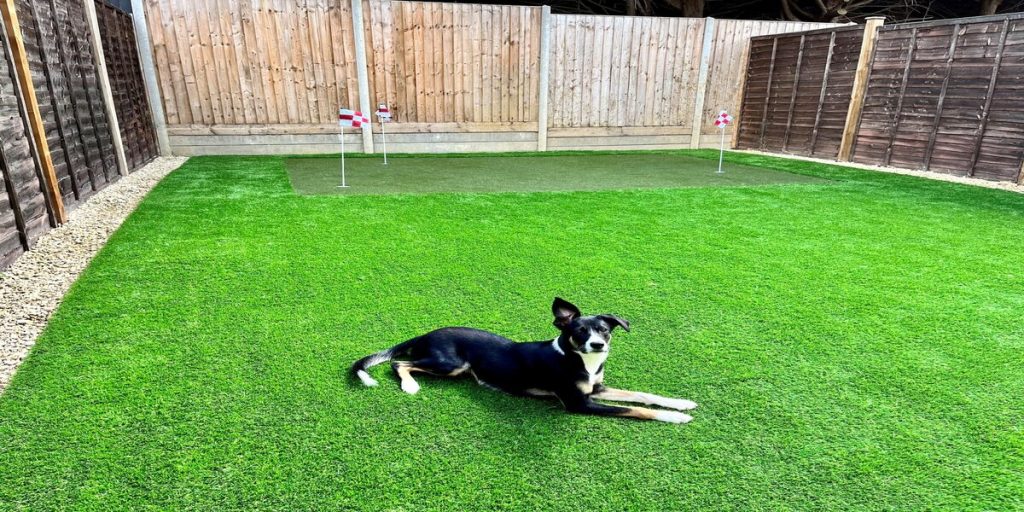
Choosing the right artificial turf for dogs is crucial for pet owners who want to create a safe, enjoyable outdoor space for their furry friends. From health and safety concerns to installation and maintenance, this comprehensive guide covers everything you need to know about artificial turf for dogs.
Types of Artificial Turf for Dogs
Infill vs. Non-infill Options
When selecting artificial turf for dogs, understanding the difference between infill and non-infill options is vital. Infill turfs provide extra support and stability, while non-infill types are easier to clean but may not be as durable.
Material Choices and Their Impact
The materials used in artificial turf for dogs, such as polyethylene, polypropylene, and nylon, have different benefits and drawbacks. Polyethylene is soft and pet-friendly, while nylon offers unmatched durability.
Texture and Pile Height Considerations
The texture and pile height of artificial turf for dogs affects both comfort and usability. A shorter pile height can make it easier for pets to move around, while a softer texture ensures their paws are protected.
Health and Safety Concerns
Toxicity and Chemical Exposure
Choosing non-toxic materials for artificial turf for dogs minimizes the risk of chemical exposure, ensuring your pet’s health and safety.
Heat Retention Issues
Artificial turf can get hot in direct sunlight. Opting for lighter colors and installing shading can help reduce heat absorption, keeping your pet cool.
Allergies and Sensitivities
Selecting hypoallergenic artificial turf for dogs can prevent allergic reactions, ensuring a safer environment for sensitive pets.
Installation Process
DIY vs. Professional Installation
While DIY installation of artificial turf for dogs can save money, professional installation ensures durability and proper drainage, which are crucial for maintaining a clean and odor-free yard.
Preparing the Ground for Turf
Proper ground preparation, including ensuring adequate drainage, is key to preventing puddles and ensuring the longevity of your artificial turf for dogs.
Maintenance and Upkeep Tips
Regular cleaning, including removing pet waste and rinsing the turf, is essential for maintaining hygiene and preventing odors on your artificial turf for dogs.
Designing With Artificial Turf
Incorporating Play Areas
Designing specific play areas with artificial turf for dogs can provide a stimulating environment for your pet to enjoy.
Landscaping and Aesthetics
Artificial turf for dogs can be aesthetically pleasing, blending seamlessly with natural landscaping elements to create a beautiful outdoor space.
Innovative Uses of Artificial Turf
Beyond traditional backyards, artificial turf for dogs is also suitable for balconies and indoor areas, offering versatile solutions for pet-friendly spaces.
Cost Analysis
Initial Investment vs. Long-Term Savings
Although the initial investment in artificial turf for dogs may be high, the long-term savings on water and lawn care make it a cost-effective choice for many pet owners.
Warranty and Lifespan
Understanding the warranty and expected lifespan of artificial turf for dogs can help you make an informed decision based on durability and long-term performance.
Reducing Costs Without Compromising Quality
Choosing budget-friendly options and avoiding common installation pitfalls can help reduce the overall cost of artificial turf for dogs without compromising quality.
The Environmental Impact
Water Conservation Benefits
Artificial turf for dogs significantly reduces water usage, offering a sustainable alternative to natural grass and contributing to environmental conservation efforts.
Recyclability and Sustainability
Opting for recyclable and sustainable materials for artificial turf for dogs can minimize environmental impact and support eco-friendly practices.
Comparing the Carbon Footprint
While artificial turf for dogs has a carbon footprint due to production and disposal, its long-term environmental benefits, especially in terms of water conservation, can outweigh these concerns.
Common Challenges and Solutions
Managing Odors and Hygiene
Regular maintenance and the use of specialized cleaning agents can effectively manage odors and maintain hygiene on artificial turf for dogs.
Repairing and Maintaining Turf Integrity
Addressing wear and tear promptly and following manufacturer guidelines for care can help maintain the integrity of artificial turf for dogs.
Adjusting for Pet Behavior and Preferences
Understanding and accommodating your dog’s behavior and preferences can ensure they enjoy and utilize the artificial turf to its fullest potential.
Real-Life Examples and Case Studies
Success Stories from Pet Owners
Many pet owners have shared positive experiences with artificial turf for dogs, highlighting improvements in cleanliness, usability, and pet satisfaction.
Expert Opinions and Recommendations
Veterinarians and pet care professionals often recommend artificial turf for dogs due to its safety, durability, and low maintenance requirements.
Comparative Analysis: Artificial Turf vs. Natural Grass
Comparing artificial turf to natural grass reveals that while natural grass has its benefits, artificial turf for dogs often comes out ahead in durability, ease of maintenance, and year-round usability without the mud, pesticides, or allergens associated with natural lawns.
Additional Considerations for Multi-Pet Households
Dealing with Multiple Dogs
For homes with multiple dogs, choosing a highly durable artificial turf designed to withstand extra wear and ensure all pets can enjoy the space together is crucial.
Cats and Other Pets on Artificial Turf
Artificial turf for dogs is also safe for other pets, including cats. However, it’s essential to choose a product that all your pets can comfortably use, considering their different behaviors and needs.
Community and Shared Spaces
Implementing artificial turf in communal pet areas, like dog parks or apartment complexes, can provide a clean, safe environment for all pets to enjoy while simplifying maintenance for property managers.
Future Trends in Artificial Turf for Dogs
Innovations in Turf Technology
The future of artificial turf for dogs looks promising, with ongoing innovations aimed at enhancing safety, comfort, and environmental sustainability.
Growing Popularity of Eco-Friendly Options
As environmental awareness increases, so does the demand for eco-friendly artificial turf options for dogs, driving advancements in recyclable and sustainable materials.
Enhanced Functionality and Design
Emerging technologies and design improvements are making artificial turf for dogs even more appealing by catering to specific pet needs and enhancing outdoor aesthetics.
Choosing the Right Supplier and Installer
Vetting Potential Suppliers
Researching and selecting a reputable supplier is crucial for finding high-quality artificial turf for dogs that meet your needs and budget.
Installation Services: What to Expect
Understanding what to expect from the installation process and asking the right questions can help ensure a smooth, successful project.
Aftercare and Support
Post-installation support, including warranty claims and customer service, is an important consideration when choosing a supplier for your artificial turf for dogs.
Making the Decision: Is Artificial Turf Right for Your Dog?
Evaluating Your Pet’s Needs and Lifestyle
Consider your pet’s activity level, health concerns, and how they use your outdoor space to determine if artificial turf for dogs is the right choice.
Balancing Pros and Cons
Weighing the advantages against potential drawbacks, such as the initial cost and the need for occasional deep cleaning, can help you make an informed decision.
Taking the Next Steps
If you decide that artificial turf for dogs is right for you, planning your project, setting a budget, and starting your search for the right product and installer are your next steps.
FAQs about Artificial Turf for Dogs
Q: Is artificial turf safe for dogs?
A: Yes, when made from non-toxic materials, artificial turf is safe for dogs. It’s designed to be durable and soft, reducing the risk of injuries from playing or running.
Q: How do I clean artificial turf for dogs?
A: Clean artificial turf by regularly removing debris, rinsing with water, and applying a pet-friendly cleaner to eliminate odors. For solid waste, remove it as soon as possible, then clean the area thoroughly.
Q: Can dogs dig through artificial turf?
A: While artificial turf is highly durable, persistent dogs might manage to dig through it. Choosing a high-quality, heavy-duty turf and ensuring proper installation can minimize this risk.
Q: Does artificial turf get hot in the sun?
A: Yes, artificial turf can get hot in direct sunlight. Opting for lighter colors, installing shading, or using a hose to cool down the turf can help make it more comfortable for your pet on hot days.
Q: How long does artificial turf last?
A: With proper maintenance, artificial turf can last anywhere from 10 to 20 years, depending on the quality of the material and the level of use.
Q: Will artificial turf for dogs affect my pet’s bathroom habits?
A: Most dogs adapt quickly to using artificial turf as their bathroom area. Training might be required initially, especially for pets used to natural grass, but most transition smoothly.
Q: Can artificial turf help prevent pests?
A: Yes, artificial turf for dogs can help reduce the presence of ticks, fleas, and other pests commonly found in natural grass, contributing to a healthier environment for your pet.
Q: Is artificial turf environmentally friendly?
A: Artificial turf can be environmentally friendly, especially in regions where water is scarce, as it reduces the need for watering, mowing, and chemical treatments. Choosing recyclable materials and proper disposal methods can further minimize its environmental impact.
Q: Does installing artificial turf for dogs add value to my home?
A: Yes, installing artificial turf can add value to your home by enhancing curb appeal, reducing maintenance costs, and providing a pet-friendly outdoor space that appeals to potential buyers.
Q: What’s the best type of artificial turf for dogs?
A: The best type of artificial turf for dogs depends on your pet’s activity level, the climate you live in, and your personal preferences for texture and appearance. Look for turf made from durable, non-toxic materials designed specifically for pets.
Conclusion
Choosing artificial turf for dogs is a significant decision that can enhance your pet’s quality of life and simplify yard maintenance. By considering the types of turf, health and safety concerns, installation process, and cost analysis, as well as the environmental impact and future trends, you can make an informed choice that suits both your and your pet’s needs. Real-life success stories and expert recommendations underscore the benefits of artificial turf for dogs, making it a worthwhile investment for pet owners looking for a durable, low-maintenance, and eco-friendly alternative to natural grass.